
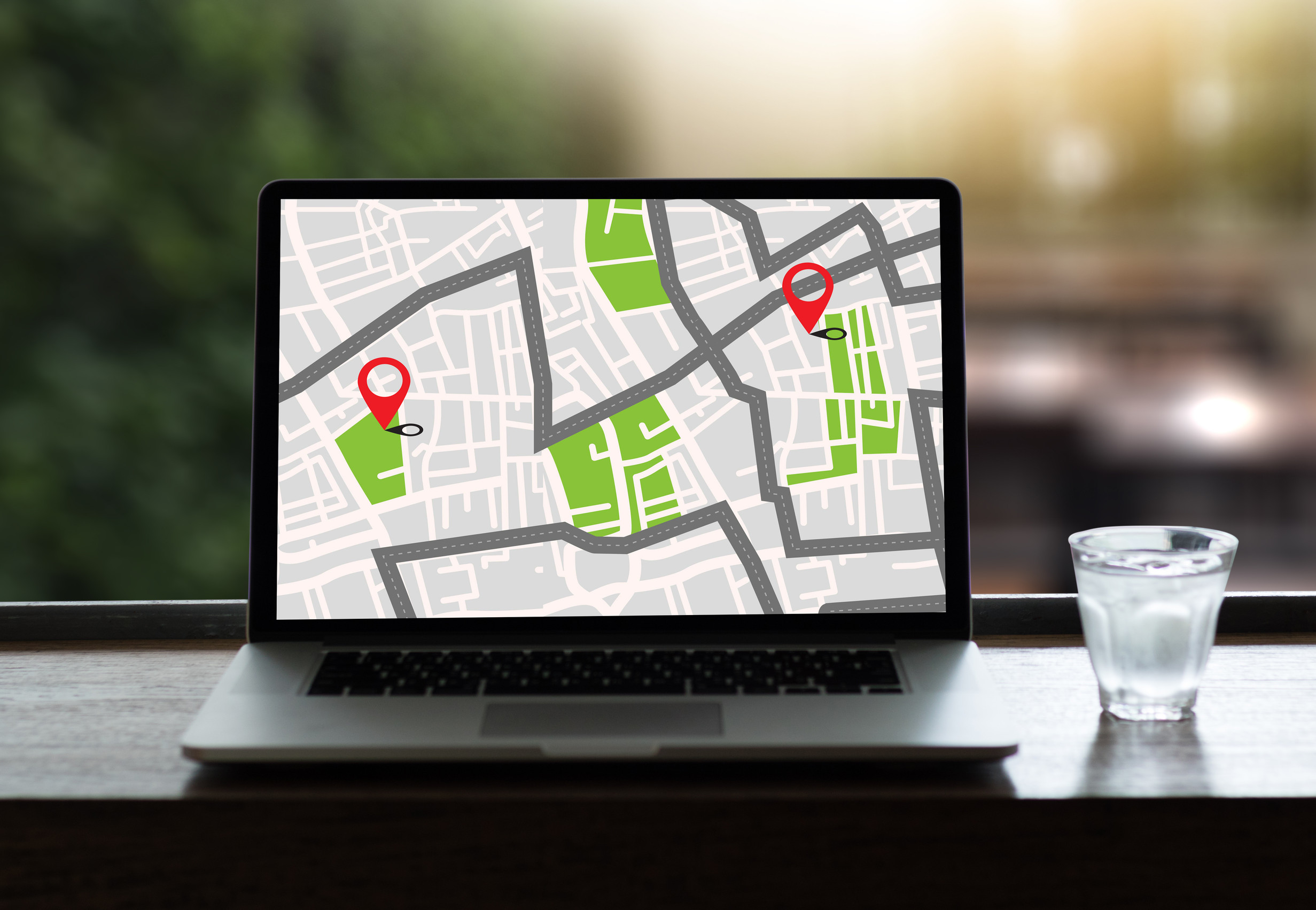
When people search for local services, Google Maps is often the first thing they see. Whether someone is searching for a nearby restaurant, contractor, or service provider, the businesses that appear at the top of map results usually get the most attention — and the most customers.
Reviews play a bigger role in those rankings than many business owners realize. They don’t just influence trust; they help determine which businesses show up and where.
How Google Chooses Which Businesses Appear on Maps
Google uses a few key factors to decide which businesses show in map results:
Reviews are one of the main ways Google measures prominence. When multiple businesses offer similar services in the same area, reviews often become the deciding factor.
Review Volume Signals Credibility and Activity
The number of reviews your business has helps Google understand how established and active you are.
A business with a steady flow of reviews tends to look more credible than one with only a handful, especially when customers are comparing options side by side. This doesn’t mean you need hundreds of reviews overnight — consistency matters far more than sudden spikes.
Over time, regular reviews send a strong signal that your business is active and trusted.
Star Ratings Influence Engagement
Star ratings matter because they affect how people interact with your listing.
Businesses with higher ratings generally attract more clicks, calls, and direction requests. When users consistently choose one listing over others, Google notices that behavior and treats it as a positive signal.
Good reviews don’t just help you show up — they help you stand out once you do.
Recent Reviews Help Keep Your Business Visible
Fresh reviews are especially important for map rankings.
A business with recent feedback looks current and reliable, while listings with old reviews can feel outdated, even if the overall rating is still strong. Google prefers businesses that show ongoing customer engagement, and new reviews help reinforce that.
That’s why collecting reviews should be an ongoing process, not a one-time effort.
Review Content Reinforces What You Do and Where You Operate
Reviews aren’t just star ratings — they’re full of useful information.
When customers naturally mention services, locations, or experiences in their reviews, it helps Google better understand your business. Over time, this kind of feedback strengthens local relevance and supports better map visibility.
This happens naturally when customers leave honest reviews — there’s no need to script responses or force keywords.
Responding to Reviews Supports a Stronger Map Listing
While replying to reviews won’t instantly boost rankings, it does help create a stronger overall presence.
Responding shows that your business is engaged, professional, and attentive to customers. It also encourages more interaction with your listing, which supports visibility and trust.
Why Similar Businesses Rank Differently on Google Maps
It’s common to see two similar businesses in the same area rank very differently on Google Maps.
Often, the difference comes down to review activity:
Businesses that actively manage their reputation tend to appear more prominent than those that don’t.
Final Thoughts
Google Maps is one of the most competitive areas of local search, and reviews play a major role in determining who shows up and who gets chosen.
Consistent, positive reviews help build trust, improve engagement, and support long-term visibility. For local businesses focused on growth, reviews aren’t just feedback — they’re a key factor in map ranking success.
If your business depends on local customers, managing reviews should be part of your marketing strategy. Review Web helps local businesses collect, monitor, and respond to reviews in one place, making it easier to stay visible and competitive on Google Maps.